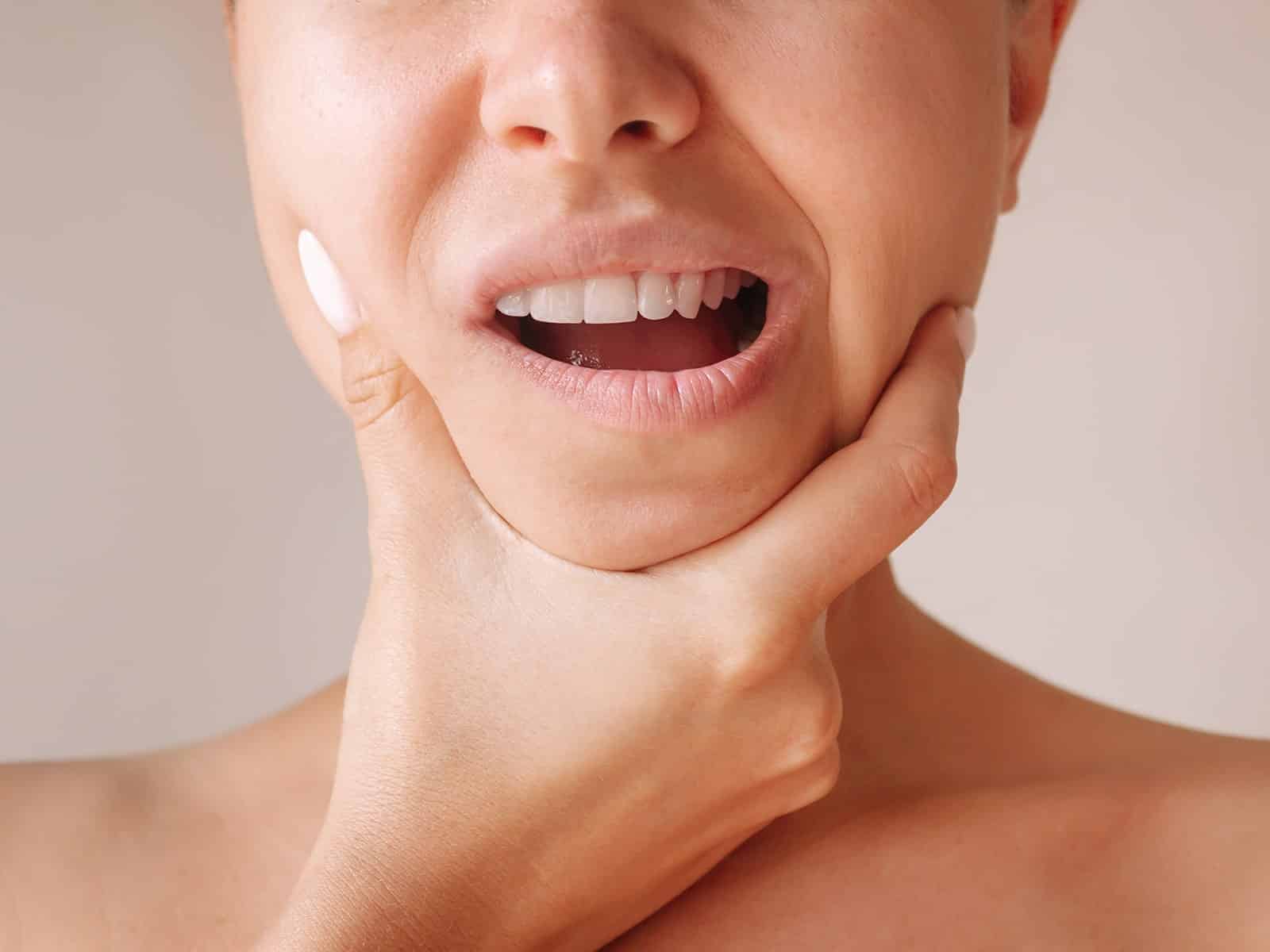
Jaw pain can have many causes, but one of the most common is temporomandibular joint (TMJ) disorder. At StarImage Dentistry in Wichita Falls, our TMJ dentists help patients uncover the real reason behind their pain—whether it’s related to the jaw joints, muscles, or bite alignment.
With so much health information online, it’s easy to assume the worst. Some patients worry their jaw changes could be linked to rare medical conditions such as acromegaly, a hormonal disorder that can alter bone growth. While acromegaly is extremely uncommon, its symptoms can appear similar to TMJ in early stages. Understanding the differences can help you seek the right care with confidence.
Understanding TMJ Disorder
TMJ disorder develops when the jaw joints or muscles don’t function in harmony. These joints act as hinges connecting your jawbone to your skull, allowing you to talk, chew, and yawn comfortably. When they become strained, misaligned, or inflamed, you may experience:
- Jaw pain or stiffness
- Clicking or popping when opening your mouth
- Headaches or facial tension
- Discomfort when chewing
- Changes in how your teeth fit together
- Neck or shoulder pain
Because the jaw muscles connect throughout the face and neck, TMJ symptoms can feel widespread—often leading people to believe the issue is something else entirely.
When Jaw Pain Mimics Other Conditions
It’s not uncommon for patients to Google their symptoms and discover alarming possibilities. One condition that occasionally appears in search results is acromegaly, a rare hormonal disorder that causes excess growth hormone production. This can lead to gradual bone enlargement, particularly in the hands, feet, and face.
However, in nearly all cases, jaw discomfort, clicking, and bite changes are related to TMJ dysfunction rather than a hormonal issue. Our Wichita Falls TMJ dentists use advanced imaging, bite analysis, and muscle evaluation to pinpoint the true cause of your discomfort and rule out other concerns.
Key Differences Between TMJ and Acromegaly
Although both can involve the jaw, TMJ and acromegaly are very different conditions:
- TMJ disorder usually causes muscle and joint pain, stiffness, or misalignment resulting from overuse, injury, or bite imbalance.
- Acromegaly causes slow, overall bone enlargement due to excess growth hormone—something that must be diagnosed and treated by an endocrinologist.
If you’re not experiencing other systemic symptoms like hand or foot enlargement, voice changes, or vision issues, it’s much more likely your jaw pain is TMJ-related.
When in doubt, our dentists can evaluate your bite and jaw movement to determine whether your symptoms are dental or medical in nature. If there’s reason to suspect a hormonal component, we’ll coordinate with your physician to ensure you receive appropriate testing.
Getting an Accurate TMJ Diagnosis in Wichita Falls
At StarImage Dentistry, we take a comprehensive approach to diagnosing TMJ disorder. Using advanced tools such as 3D imaging and muscle tension analysis, we can evaluate your bite mechanics and jaw function in detail. This allows us to identify misalignment, strain, or inflammation in the joints and muscles—factors that often cause ongoing pain.
If testing rules out rare medical conditions, we focus on relieving the source of your TMJ discomfort through targeted treatment.
Relief Through TMJ Treatment
TMJ treatment in Wichita Falls focuses on restoring comfort and balance so your teeth, muscles, and jaw joints work together properly. Because every smile is different, treatment begins with a careful evaluation of how your jaw moves and where tension occurs.
Many patients find relief with a custom oral appliance that gently repositions the jaw, reduces strain, and protects against clenching or grinding. Others may need minor bite adjustments or restorative treatments like crowns, bridges, or veneers to create a more even, stable bite.
Some cases call for short-term orthotic therapy or gentle neuromuscular techniques to relax the muscles and retrain jaw movement. When significant wear or damage is present, restorative dentistry—such as full-mouth rehabilitation or implant-supported restorations—can rebuild proper function and stability.
Throughout care, our TMJ dentists in Wichita Falls focus on relieving pain, improving function, and helping you regain a confident, comfortable smile that lasts.
Schedule a TMJ Evaluation in Wichita Falls
If you’re experiencing jaw pain, headaches, or bite changes, the best first step is to schedule a TMJ evaluation at StarImage Dentistry in Wichita Falls. Our experienced dentists will assess your symptoms, provide an accurate diagnosis, and create a personalized plan to relieve your discomfort.
You don’t have to live with ongoing jaw pain or uncertainty—contact us today to schedule your consultation and start your journey toward lasting relief.